A strong safety culture is not built only through policies, inspections, or management meetings. Employees see how work is actually done every day, which means they often notice hazards, awkward processes, recurring concerns, and practical improvements before those issues appear in formal reports. That is why understanding safety representative Ireland arrangements matters for employers and employees alike.
For organisations in Dublin, Ireland, a safety representative Dublin workplace can provide an organised route for employees to raise safety, health, and welfare matters with management. The role is about representation and consultation, not taking over the employer’s legal responsibilities.
This RiskSafe guide explains the safety representative role Ireland, how representatives are selected, what they can do, what employers should provide, and how meaningful consultation can support a stronger workplace safety system.
Who Selects a Safety Representative in Ireland?
One of the most important points is that the employer does not simply choose the person. Under Section 25 of the Safety, Health and Welfare at Work Act 2005, employees are entitled to decide on, select, and appoint a safety representative. More than one representative may be selected by agreement with the employer.
That makes an employee safety representative Dublin arrangement different from appointing a safety officer, manager, or external consultant. The representative speaks for employees in consultation with the employer on safety, health, and welfare issues.
For the legal basis, see Section 25 of the Safety, Health and Welfare at Work Act 2005 and the HSA’s Safety Representatives guidance.
The Safety Representative Role Ireland Employers Should Understand
The safety representative role Ireland is often misunderstood. A representative is not the person who becomes legally responsible for fixing every workplace hazard.
HSA guidance is clear that safety representatives have functions rather than additional legal duties under the 2005 Act, apart from duties applying to employees generally. Their central function is to consult with and make representations to the employer on safety, health, and welfare matters affecting employees.
That distinction protects the purpose of the role. Employees should be able to highlight issues without becoming the person legally accountable for management’s implementation of controls.
A useful workplace safety representative Dublin relationship therefore depends on access, communication, trust, and action rather than simply giving someone a title.
What Can a Safety Representative Actually Do?
A safety representative can raise concerns and make representations to the employer. The employer must consider those representations and take action where necessary or appropriate.
The representative may also inspect all or part of the workplace after giving reasonable notice. The inspection frequency can be agreed based on the nature and extent of workplace hazards. Immediate inspection rights can arise after an accident or dangerous occurrence, or where there is imminent danger or risk.
Safety representatives may investigate accidents and dangerous occurrences, but they must not disturb evidence or interfere with statutory investigations. They may also accompany an HSA inspector during certain inspections, make representations to inspectors, receive relevant advice and information, and liaise with other safety representatives in the same undertaking.
These safety representative responsibilities Ireland discussions are better described as functions and rights, because the representative does not replace management responsibility.
What Information Should the Representative Receive?
Consultation cannot work if the representative is expected to comment without information.
HSA guidance says safety representatives should have access to relevant risk assessments, information about reportable accidents, occupational illness and dangerous occurrences, and information arising from the experience of protective and preventive measures.
For Dublin employers, this is where safety consultation Ireland should become practical. Sending documents after a decision has already been made is not the same as consulting in good time.
The HSA describes consultation as providing information and obtaining employee feedback before decisions affecting health and safety are made.
When Must Employers Consult Employees?
Section 26 of the 2005 Act requires consultation on workplace matters that can substantially affect safety, health, or welfare.
HSA guidance identifies areas such as risk-protection measures, risk assessment outcomes, preparation of the Safety Statement, safety information, reportable incidents, engagement of safety experts, training plans, and the introduction of new technologies.
Imagine a Dublin warehouse introducing new handling equipment, an office redesigning workstations, or a facilities team changing a work process. Good safety consultation Ireland means giving employees a meaningful opportunity to contribute before the arrangement is finalised.
A safety representative can help management hear the practical side of the change: what workers actually do, where shortcuts occur, and whether a proposed control creates a different problem.
Does a Safety Representative Need Training?
Yes, effective representation requires knowledge.
The HSA states that safety representatives need suitable knowledge and skills to perform their functions. Training should cover the representative’s general role, while employers are responsible for training representatives on the specific hazards and safe systems of work in their own workplace.
Importantly, necessary training should not be charged to the safety representative. Section 25 also requires employers to allow reasonable time off without loss of earnings for a representative to gain necessary knowledge and carry out the role.
For a safety representative Dublin workplace, training should connect legal rights with real hazards rather than remain purely theoretical.
How Many Safety Representatives Should a Workplace Have?
There is no single number suitable for every organisation.
HSA guidance says factors can include employee numbers, the nature and level of risk, shift systems, multiple locations, different occupations, and employees who spend much of their working time away from the main workplace.
A small Dublin office may have very different representation needs from a multi-location facilities company, warehouse operation, hospitality business, or organisation working across several shifts.
Where one representative cannot adequately perform the functions, employer and employees should consider whether more representatives are appropriate. A safety committee may also support consultation in larger or more complex workplaces.
Safety Representative Dublin Inspections: Make Them Useful
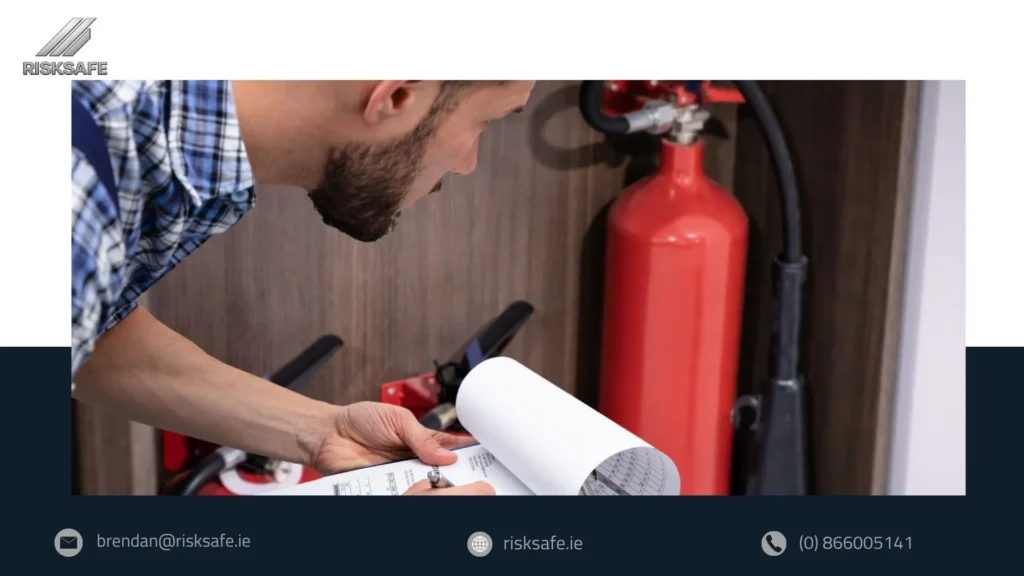
An inspection should not become a fault-finding exercise aimed at blaming managers or employees.
A productive inspection can look at how work is performed, housekeeping, access routes, equipment condition, employee concerns, manual handling, emergency arrangements, and whether existing controls work in practice.
The HSA notes that inspection frequency depends on factors including workplace size, activities, locations, and changing hazards. Records can help track what was seen, what was raised, what action was agreed, and whether improvements were completed.
For an employee safety representative Dublin team, a simple recurring inspection record can turn informal concerns into issues that management can assess and close.
How Safety Representatives Fit Into a Health and Safety Audit
A safety representative can be a valuable source of workplace insight during a broader review.
RiskSafe’s Health and Safety Audits Dublin focus on the organisation’s wider safety management arrangements. Depending on scope, an audit can review documentation, risk assessments, training records, emergency arrangements, incident management, and how corrective actions are tracked.
Employee Concerns Can Point Toward Other Risk Areas
A workplace safety representative Dublin may hear concerns covering several types of risk. When an issue needs specialist review, it should be directed to the right process rather than stretched into the representative’s role.
Fire-related concerns about escape routes, warning arrangements, or workplace fire hazards may indicate a need to review wider controls through Fire Risk Assessments Dublin.
Facilities concerns involving building water systems and Legionella-related controls may connect with Water Risk Assessments Dublin.
Where employees regularly lift, carry, push, or pull loads and training is appropriate after risk controls are considered, RiskSafe provides Manual Handling Training Dublin.
Protection From Penalisation Matters
A representative cannot be effective if employees fear negative consequences for raising legitimate safety concerns.
Section 27 of the 2005 Act protects employees from penalisation connected with exercising rights under safety and health legislation, making safety complaints or representations, and acting as a safety representative.
This legal protection supports open communication. It does not mean every disagreement must be accepted by management, but concerns should be considered fairly and responses should focus on risk, evidence, and practical controls.
A Dublin Employer Checklist for Better Safety Representation
Use these questions to review your arrangements:
- Have employees been informed of their right to select a safety representative?
- Was the representative selected by employees rather than simply appointed by management?
- Does the representative know who they represent?
- Is there a clear route for employees to raise concerns?
- Does management consult before significant safety decisions?
- Can the representative access relevant risk and incident information?
- Has suitable training been provided?
- Is reasonable paid time available for representative functions?
- Are workplace inspections planned appropriately?
- Are representations recorded and followed up?
- Are reasons explained when a suggestion is not adopted?
- Are changing hazards discussed early?
- Is a safety committee needed because of workplace size or complexity?
- Are representatives protected from penalisation?
- Do consultation records lead to visible actions?
For more detail, use the HSA’s Safety Representatives and Safety Consultation Guidelines.
Frequently Asked Questions About Safety Representative Ireland
-
Is every employer required to appoint a safety representative?
The legal structure is different: employees are entitled to select and appoint a representative. An employer should facilitate consultation and cannot simply treat a management appointment as employee selection.
-
What are the main safety representative responsibilities Ireland workplaces should know?
The role includes consultation, making representations, inspections, access to relevant information, and certain interactions with HSA inspectors. These are functions and rights rather than the employer’s legal safety duties.
-
Can a safety representative inspect the workplace?
Yes. Subject to the statutory framework, representatives can inspect the workplace after reasonable notice and may have immediate inspection rights following certain accidents, dangerous occurrences, or imminent dangers.
-
Does a safety representative need paid time for the role?
The 2005 Act provides for reasonable time off without loss of earnings to acquire necessary knowledge and perform representative functions.
-
Can Dublin businesses have more than one safety representative?
Yes, more than one may be selected by agreement where circumstances justify it. Workforce size, shifts, risk, locations, and work patterns can influence what is practical.
-
Is a safety representative the same as a safety officer?
No. A safety representative represents employees in consultation. A safety officer or adviser may have management, technical, or professional responsibilities under a different arrangement.
Make Employee Consultation Part of Everyday Safety
The value of safety representative Ireland arrangements is not the title itself. The value comes from creating a credible route between the people doing the work and the people making decisions about how work is managed.
RiskSafe supports this wider management picture through Health and Safety Audits Dublin. The service can help organisations review whether consultation, documentation, risk controls, training, and action management work together, while the safety representative Dublin role remains what Irish law intends it to be: an employee voice in workplace safety.