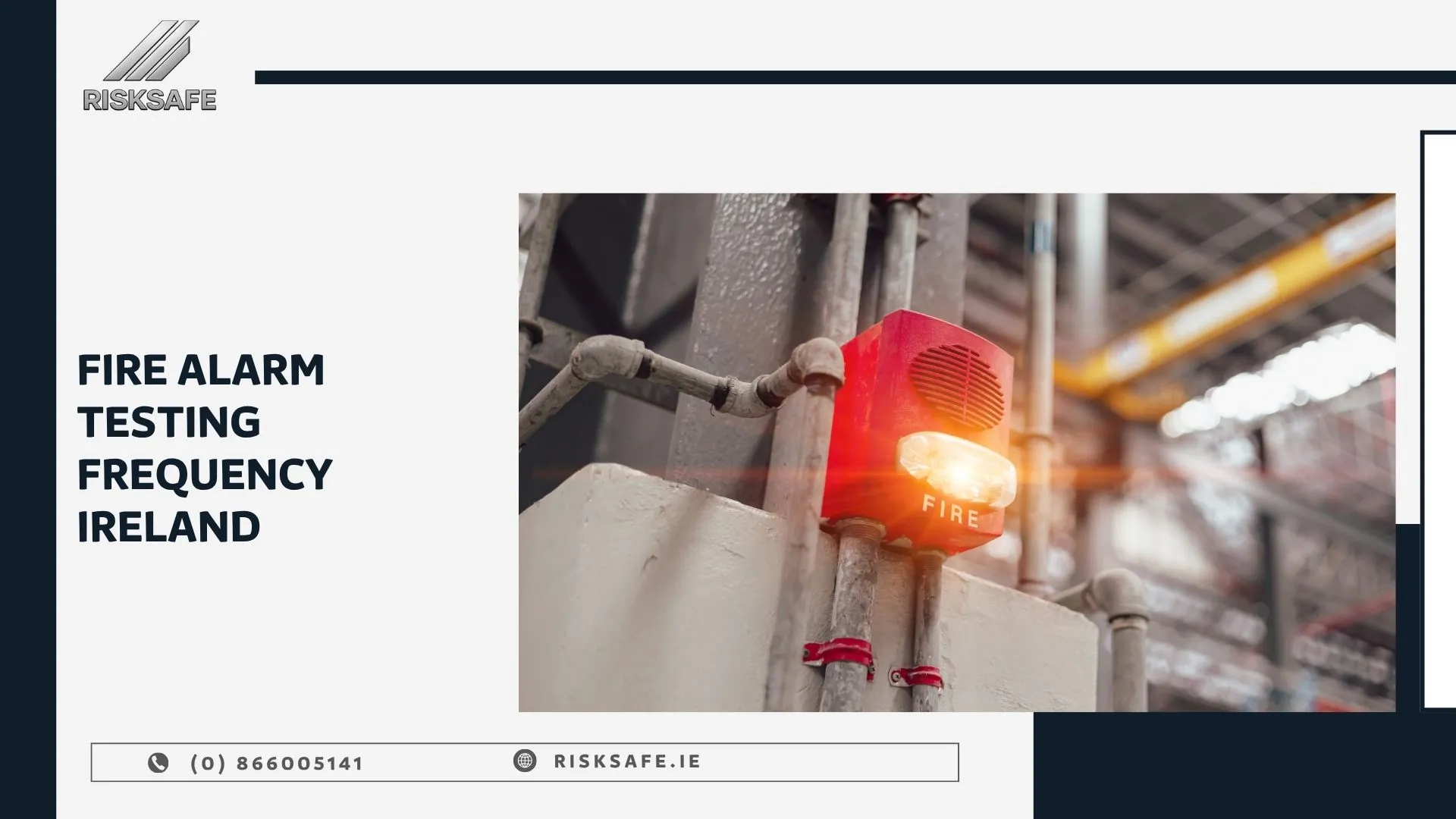
Fire alarm faults, damaged call points, power issues, building changes, or poor records may only become obvious when the system is needed most. Understanding fire alarm testing frequency Ireland helps employers, landlords, property managers, and facilities teams keep warning systems ready for an emergency.
For businesses in Dublin, Ireland, fire alarm testing Dublin should sit inside a wider fire safety system that includes competent servicing, records, employee awareness, escape arrangements, emergency lighting, and review of fire risks.
This RiskSafe guide explains fire alarm testing frequency Ireland, routine checks, professional servicing, and warning signs that need action.
Why Fire Alarm Testing Matters Before There Is an Emergency
A fire detection and warning system has one critical job: alert people early enough for them to respond and move towards safety. The Health and Safety Authority says fire safety equipment and systems in workplaces must be kept in effective working order, with regular checks, periodic servicing, and maintenance carried out regardless of workplace size.
A system may still be unreliable if faults are ignored, detectors are obstructed, sounders cannot be heard, or defects remain unrepaired. Routine testing also helps Dublin employers confirm that staff recognise the alarm signal.
How Often Should Fire Alarms Be Tested Ireland?
The question how often should fire alarms be tested Ireland is searched because people want a simple number. In practice, there are different layers of checking.
Routine user tests are different from periodic inspection, servicing, maintenance, and repair by a competent person. HSA workplace guidance requires regular checks and periodic servicing, while the current Irish standard for fire detection and fire alarm systems is I.S. 3218:2024. NSAI states that this standard covers planning, design, installation, commissioning, servicing, and maintenance of fire detection and alarm systems.
HSA guidance for some workplace settings identifies weekly alarm testing as good practice. Establish a documented schedule reflecting the installed system, current Irish standard, building risks, manufacturer information, and competent advice. A weekly user test does not replace professional servicing.
Weekly Fire Alarm Testing: What Should the Routine Achieve?
A regular user test should spot obvious failures early and create a consistent management habit.
A practical workplace fire alarm testing Dublin routine may include following the site test procedure, checking that the expected alarm signal operates, watching the control panel for unusual indications, confirming that occupants can recognise the warning, and recording the result.
Where appropriate, different call points can be rotated over time. Fault indications, delays, weak sound, damage, or unexplained panel messages should be reported promptly. Routine testers should not attempt specialist repairs unless competent.
Fire Alarm Servicing Dublin Is Different From Routine Testing
This distinction is essential. Fire alarm servicing Dublin is not the same activity as a routine test carried out by an employer, facilities employee, or nominated person.
The HSA states that an employer or nominated employee can carry out checks and routine maintenance, but reliability and safe operation of installed systems such as fire alarms are best supported by periodic servicing and necessary repairs carried out by a competent person.
A competent service visit goes beyond what a workplace user should attempt, with scope and timing guided by the system and relevant Irish standards. For Dublin businesses, internal checks identify problems between visits; competent servicing provides deeper technical assurance.
What Is I.S. 3218:2024 and Why Does It Matter?
Anyone researching fire alarm testing frequency Ireland will eventually encounter I.S. 3218. The National Standards Authority of Ireland confirmed in July 2026 that I.S. 3218:2024 is the current Irish Standard for fire detection and fire alarm systems.
NSAI explains that the standard provides guidance on the planning, design, installation, commissioning, servicing, and maintenance of systems in premises, including residential and domestic settings.
A testing schedule should not be copied from a generic checklist. The installed system, building use, fire strategy, maintenance instructions, and applicable guidance must work together. If records cite an older standard, ask the competent servicing provider how the current edition affects the system and documentation.
Build a Fire Alarm Logbook That Actually Helps
Good records are a major part of effective fire alarm testing Dublin. The HSA specifically notes that records of work carried out on fire safety equipment and installed systems can help demonstrate compliance with legal duties.
Record the date, time, tester, point or method used, result, faults, action taken, and follow-up. Professional service visits, repairs, false alarms, alterations, and recurring faults should also be traceable.
The goal is to show whether problems were noticed, assigned, corrected, and reviewed. A repeated fault is a management issue, not merely a maintenance note.
Common Fire Alarm Testing Mistakes in Dublin Workplaces
Common mistakes include missed tests, unresolved panel faults, poor records, confusing user testing with servicing, and failing to reconsider alarm coverage after layout changes or contractor work.
Effective fire alarm testing frequency Dublin planning should survive staff holidays, busy periods, and management changes. If the routine disappears when one facilities manager is away, responsibility is too dependent on one person.
Can Everyone in the Building Hear and Understand the Alarm?
Testing should connect equipment performance with human response. The HSA asks whether a warning can be clearly heard and understood throughout the premises and whether employees know how to operate and respond to the fire warning system.
This is especially important in noisy workplaces, multi-floor buildings, public premises, and workplaces where people may have hearing or mobility needs. A successful panel indication does not prove every occupant receives an effective warning. Review warning arrangements against the fire risk assessment, occupancy, layout, activities, and people who may need assistance.
When Should You Arrange an Earlier Fire Alarm Check?
Do not wait for the next scheduled date if something changes.
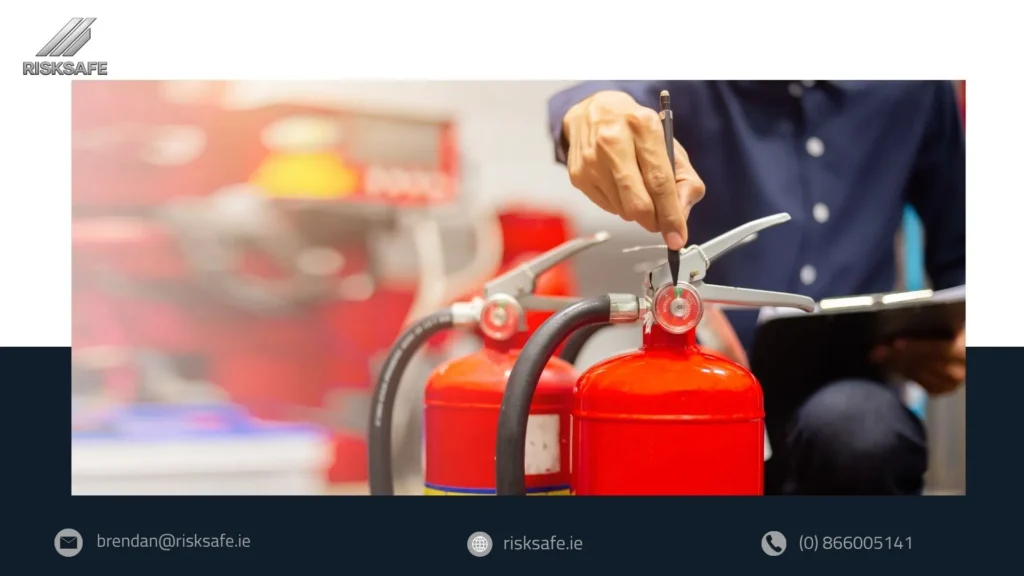
Arrange competent advice when a fault appears, the alarm behaves unexpectedly, equipment is damaged, false alarms become frequent, building work affects the system, rooms are reconfigured, or staff cannot hear the warning properly.
The HSA says defects should be corrected as quickly as possible. Fire alarm maintenance requirements Ireland should therefore include an escalation process identifying who receives faults, who can call a competent contractor, and what happens while a defect remains unresolved.
Fire Alarm Testing Should Connect With Your Fire Risk Assessment
RiskSafe’s role is different.
A professional Fire Risk Assessment in Dublin considers fire hazards, means of escape, warning arrangements, emergency lighting, fire doors, procedures, and existing fire safety controls as part of a broader review.
That keeps the topics complementary rather than competitive. Fire alarm testing frequency Ireland answers a specific informational question; a fire risk assessment considers whether wider fire safety arrangements suit the premises and occupants.
Link Fire Alarm Records With Wider Health and Safety Management
Fire records rarely exist in isolation. During a wider Health and Safety Audit in Dublin, RiskSafe may review documentation, emergency arrangements, risk controls, training records, and workplace procedures as part of the agreed audit scope.
That can reveal simple gaps: nobody owns the alarm log, responsibilities are unclear, contractor records are scattered, or previous actions remain open. Strong safety management assigns responsibility, tracks actions, and connects information across different safety processes.
Other RiskSafe Services for Dublin, Ireland Workplaces
Fire safety is one part of a broader workplace risk picture. Where property managers or facilities teams are also responsible for building water systems, RiskSafe provides Water Risk Assessments Dublin to support practical review of water-system risks and Legionella-related controls.
Where work includes lifting, carrying, pushing, or pulling and training is appropriate, Manual Handling Training Dublin can support employees with safer handling principles.
These services are separate from fire alarm testing, but Dublin businesses often manage several safety responsibilities at the same premises. The links help readers find the relevant topic without changing this guide’s informational purpose.
A Practical Fire Alarm Testing Checklist for Dublin Employers
Use this checklist to review your current fire alarm testing frequency Ireland arrangements:
- Is responsibility for routine testing clearly assigned?
- Is the testing schedule documented?
- Do responsible employees understand the test procedure?
- Are tests recorded in a fire alarm logbook?
- Are different relevant test points rotated where appropriate?
- Are control-panel faults investigated promptly?
- Can the warning be heard and understood in occupied areas?
- Are system changes and repairs recorded?
- Is competent periodic servicing arranged?
- Are service reports retained and actions tracked?
- Are false alarms investigated rather than accepted as normal?
- Are building changes reviewed for possible effects on detection and warning?
- Are employees familiar with the alarm signal and emergency procedure?
- Is the fire alarm considered within the emergency plan?
- Are unresolved defects escalated promptly?
For official guidance, review the HSA Fire Detection and Warning guidance and the NSAI information on I.S. 3218:2024.
Frequently Asked Questions About Fire Alarm Testing Frequency Ireland
-
How often should fire alarms be tested Ireland workplaces?
Routine checks should be regular and competent servicing periodic. Weekly user testing appears as good practice in HSA guidance for some workplace settings. The exact programme should reflect the system, current standard, risk, and competent advice.
-
Is weekly testing the same as a fire alarm service?
No. A user test is a routine operational check. Professional servicing is a more technical examination undertaken by a competent person. One does not replace the other.
-
Who can carry out workplace fire alarm testing Dublin?
The HSA says an employer or nominated employee can carry out checks and routine maintenance, provided the person has appropriate instructions and competence for the task. Periodic servicing and repairs are best completed by a competent person.
-
What should be recorded after fire alarm testing Dublin?
Record the date, tester, method or point used, result, faults, actions taken, and required follow-up. Keep professional servicing and repair records with the system history.
-
Does a fire alarm test replace a fire drill?
No. Alarm testing checks the warning system. A fire drill tests how people respond and practise evacuation procedures. Both support fire safety but answer different questions. HSA guidance also treats emergency drills and alarm maintenance as related but distinct parts of workplace fire safety.
-
Should a fire alarm be tested after building changes?
Yes. Building alterations, layout changes, occupancy changes, or work affecting the alarm system should trigger review where they may affect detection, warning, or performance.
Make Fire Alarm Testing a Routine, Not a Reaction
A strong fire alarm testing frequency Ireland programme is followed, recorded, reviewed, and improved. Regular checks must sit alongside competent servicing, repairs, emergency planning, employee awareness, and wider fire safety review.
For employers and property managers in Dublin, Ireland, consistency matters: assign responsibility, maintain records, act on faults, and review the system after changes.
RiskSafe supports Dublin businesses through practical Fire Risk Assessments Dublin that review fire safety arrangements in context. A broader assessment can help identify gaps and prioritise sensible next steps without replacing specialist alarm servicing.